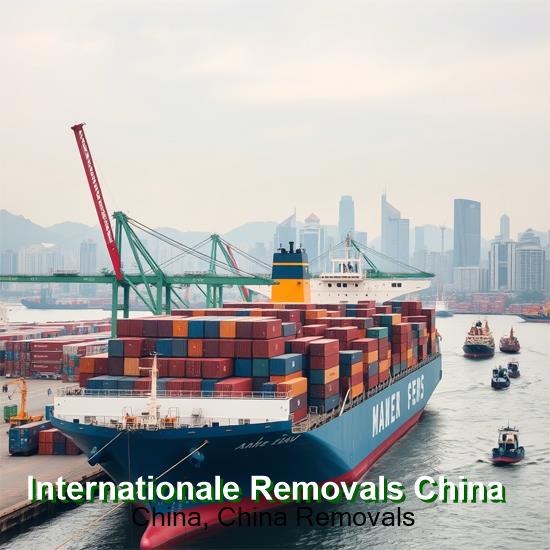
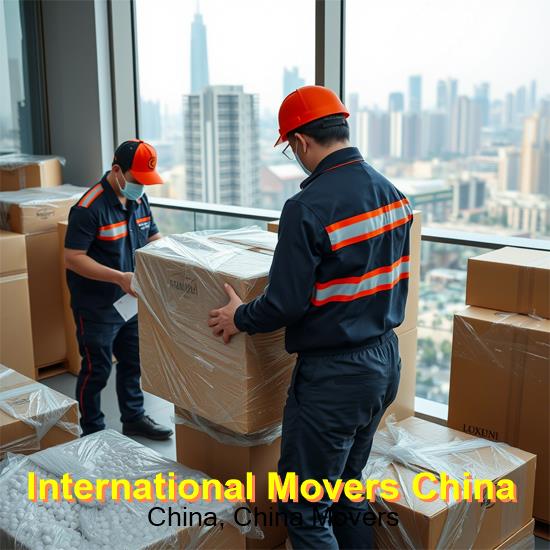
A domestic move is a van and an afternoon. An international one is eight weeks in a steel box crossing several climates, handled repeatedly by people who cannot see what is inside. The packing has to be a different thing, and it is.
One vetted mover from our network does the work, and international movers who run China know what the route asks for. Good movers plan the packing around the relocation dates, not the other way round. What varies between firms is not skill, it is what they include as standard against what they charge for.
Two decisions matter more than any other. What needs a crate rather than a carton, and whether you or the crew fill the boxes.
Cartons. Export grade cartons are double walled and sized for handling rather than for cramming. They stack without crushing under the weight of a container load, which supermarket boxes do not. Wardrobe cartons keep clothing hanging. Mattress and sofa covers keep soft goods clean through several handling stages.
Wrapping. Furniture is blanket wrapped and then stretch wrapped, with edge protection on corners. Polished surfaces get tissue or acid free paper beneath the blanket, because a blanket against a French polished top for eight weeks is not kind to it.
Crating. Some items should never go in a carton. Framed artwork, mirrors, glass table tops, marble, chandeliers, sculpture and stringed instruments all want a bespoke timber case built round them. A crate is not a luxury on those, it is the difference between arrival and a claim.
Timber treatment. This is the rule people do not know. Wooden crates and pallets used in international shipments must be heat treated and carry the appropriate marking. Untreated timber can be refused at the border, treated at your expense, or destroyed, which means your crated painting gets unpacked on a quayside by someone who is not an art handler. Any professional export crate carries the marking, but confirm it.
The inventory. It is written as the packing happens, and it is the document that governs both customs clearances and any insurance claim. Rushing this stage is the most common false economy on an international move.
Electricals. Photograph the back of anything with cables before disconnection. Drain and dry washing machines. Secure drum locks where they exist. Remove batteries.
Packing is usually quoted as labour plus materials, and crating separately per item. It is one of the larger variable lines on a quote and one of the easiest to compare, provided you ask what is included rather than assuming.
Materials only
Cheapest, and cover on those cartons is narrower.
Labour plus materials
Widest cover, fastest, and the inventory is written properly.
Per item
For artwork, glass, marble, instruments and similar.
Tell us what you own that worries you. That list is what shapes the packing plan and the crating budget.
We match you with your vetted mover, which means one team handles the whole relocation. It is free, with no obligation. Get a quote today and hold your dates.
Send your move detailsCall 07551 855 064 or +447551855064. Message us on WhatsApp.
The same shipment needs different treatment depending on where in China it is going, and this is the part a domestic packing approach misses entirely.
Southern and coastal destinations. Guangzhou, Xiamen, Haikou, Shenzhen and the delta cities are humid for most of the year. Goods may sit at a quayside in that humidity for days. Paper, leather, untreated wood and electronics all suffer. Moisture absorbing sachets in cartons, proper wrapping on leather and prompt unpacking on arrival all help.
Northern destinations in winter. Harbin, Changchun, Shenyang and to a degree Beijing and Tianjin see sustained hard frost. Liquids freeze and split their containers, ruining everything packed around them. Screens and electronics can crack when brought from freezing into a heated flat. Wooden furniture and instruments split as moisture is drawn out. Drain anything liquid, insulate what matters and allow goods to acclimatise gradually.
Rail through Central Asia. The overland route crosses genuine extremes in both directions. Standard containers are not temperature controlled, so the northern winter advice applies to a rail shipment regardless of which Chinese city it ends in.
Inland road legs. A container that travels a thousand kilometres by road after clearance gets more vibration than one delivered from a nearby port. Crating and internal bracing matter more on those routes.
Musical instruments deserve a specific mention because they combine every risk: humidity sensitivity, temperature sensitivity and fragility. Anything better than a beginner instrument should be crated and, if possible, professionally prepared before packing.

Packing and insurance are the same decision in practice, since who packed a carton affects what is covered.
A move usually means moving money too, whether that is a deposit on a Chinese flat or funds coming back the other way. We have helped customers with currency exchange in any currency through trusted partners for many years, and our partners can help with the money side of your move. Mention it on the form and it gets included.
Experts in currency exchange
No hidden fees
5 star consumer ratings
Competitive exchange rate
You can for soft goods, but supermarket cartons collapse under a container load. Export grade cartons are double walled and sized for repeated handling. A crushed box in the middle of a stack damages its own contents and everything above it.
Framed artwork, mirrors, glass table tops, marble, chandeliers, sculpture and stringed instruments. A bespoke timber case built around the item is the difference between arrival and a claim on anything in that group.
Timber used in international shipments must be heat treated and carry the appropriate marking. Untreated wood can be refused at the border, treated at your expense or destroyed, which means your crated item gets unpacked on a quayside by someone who is not a specialist.
It saves money and it narrows your insurance cover, because most policies treat owner packed cartons differently. Books, clothes and soft goods are sensible to pack yourself. Anything fragile or valuable is not.
Considerably. Southern Chinese cities are humid year round and goods can sit at a quayside in it. Northern cities see hard frost where liquids freeze and split, and wood and instruments crack. The same shipment needs different preparation depending on where it lands.
Drain and dry anything that holds water, and secure drum locks on washing machines where they exist. Photograph the back of everything with cables before disconnection. Remove batteries from anything that has them.
Because it is written during packing and it governs both customs clearances and any insurance claim. Rushing it is the most common false economy on an international move, since a vague list slows a customs examination and weakens a claim.
Better not, if they are worth anything. Instruments combine humidity sensitivity, temperature sensitivity and fragility, and the China route tests all three. Anything above a beginner instrument should be crated and professionally prepared.
It varies, which is why it is worth asking rather than assuming. Labour and materials are usually quoted together, and crating separately per item. Compare what each firm includes as standard rather than comparing headline figures.
Send your collection address, your Chinese destination, a rough idea of the volume and your date. A vetted mover from our network checks the route, the paperwork and the access, then comes back to you with the price.
Send your move detailsWe match international moving enquiries with vetted moving companies in the AGM Group network, each holding FIDI FAIM certification and BAR Overseas membership.
We are not a removal firm ourselves. We find you the one that suits your route, and you deal with them directly from there.