International Removals Companies China Global Moving Experts

International Shipping Insurance for China Routes

✓ FIDI FAIM Certified ✓ BAR Overseas ✓ IAM ✓ EUROMOVERS ✓ FEDEMAC ✓ Sea Freight ✓ Rail Freight ✓ Air Freight ✓ Packing ✓ Customs Paperwork Support
16+
Years in international removals
850k+
Verified customer enquiries
3
FIDI-accredited partners
Trusted International Moving Network
Accredited Relocation Specialists

Full service movers arrange marine cover, not household cover

Insurance on an international shipment is not an add on to be waved through. It is written on a different basis from your house policy, it excludes things people assume are covered, and there is one exposure on sea freight that has nothing to do with your goods being damaged at all.

One vetted mover from our network arranges the cover. International movers offer it routinely as part of a relocation, and good movers explain it rather than tick it, but the terms differ between them, and the differences are worth ten minutes of your attention.

Cover is written on your declared values. You produce a valued inventory, the premium is calculated as a percentage of the total, and that total is the ceiling on what can ever be paid.

Quick answer: marine transit insurance covers your goods from collection to delivery, priced as a percentage of the values you declare. All risk cover is the useful kind. Total loss only cover is cheap and rarely adequate.
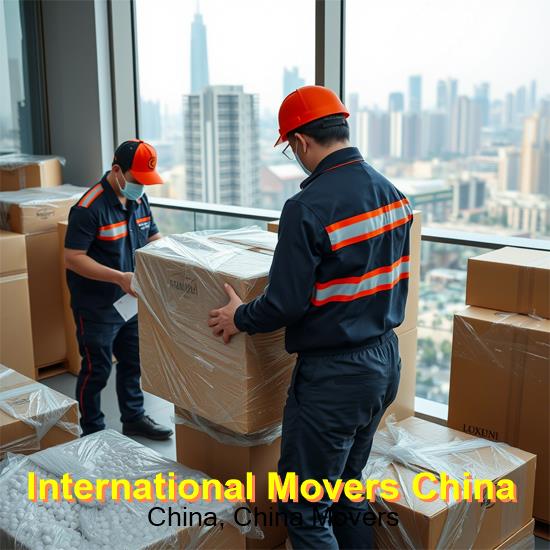
Valued inventory being prepared for marine transit insurance cover
At a glance
  • 📋 Basis: Your declared values. They set both premium and ceiling
  • All risk: Covers accidental damage and loss. The useful cover
  • Total loss only: Pays only if the whole shipment is lost. Rarely enough
  • General Average: Contribution if the vessel has a casualty. Real exposure
  • 📦 Owner packed: Usually treated differently. Check the wording
  • 🕑 Claims: Report promptly. Do not dispose of damaged items
📋 How cover is written and priced

Declared values and what they actually mean

The valued inventory. You list what you are shipping and put a replacement value against each item. That list is the policy. Anything not on it is not covered, and the total is the maximum that can be paid whatever happens.

The premium. Calculated as a percentage of your declared total. That percentage varies with the route, the mode and the cover type, and it is a small figure against the value of a household.

Do not under declare. People do it to save on premium and it is a false economy twice over. First, you cannot recover more than you declared. Second, some policies apply an averaging clause, where under declaring reduces a partial claim proportionally, so a fifty per cent under declaration halves what you receive on a single damaged item.

All risk against total loss only. All risk cover responds to accidental damage and loss during transit. Total loss only responds if the entire shipment is lost, which essentially means the vessel sinks. Total loss cover is cheap because it almost never pays. If you are choosing on price alone you are choosing the cover that will not help you.

The excess. Most policies carry one. Small damages fall below it, which is worth knowing before you plan to claim for a scratched table.

Storage. Transit cover does not usually extend to a storage period. If goods will sit at either end, ask for storage cover as a separate item.

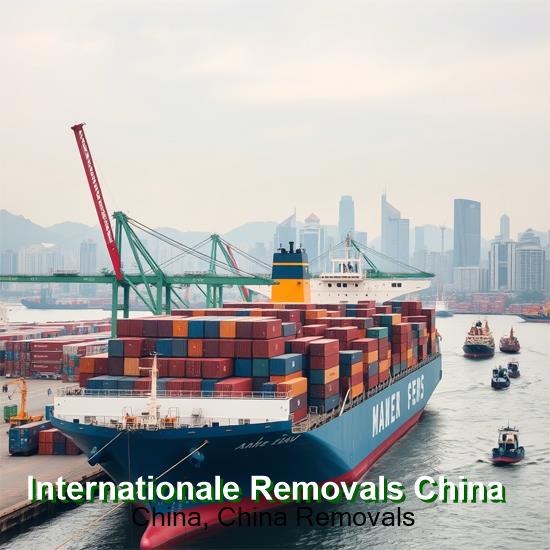
Container shipment covered by marine transit insurance in transit
Cover, exclusions and the gaps between

The exclusions that surprise people

Generally covered under all risk

  • Physical damage in handling or transit
  • Loss of an entire carton or item
  • Damage from the container being dropped or crushed
  • Water damage from a container breach
  • Theft, where evidence supports it
  • General Average contribution, on most policies

Commonly excluded

  • Mechanical or electrical derangement with no external damage
  • Damage inside cartons the owner packed, absent external damage
  • Gradual deterioration, mould or dampness in some wordings
  • Wear, scratching and denting below the excess
  • Items not listed on the valued inventory
  • Consequential loss, such as a hotel bill while goods are delayed
💵 What cover costs against what it protects

Pricing the risk properly

Premium is a percentage of declared value, so the arithmetic is simple. The question worth asking is not whether it is worth insuring but which cover you are buying, because the cheap option and the useful option are different products.

All risk

Damage and loss in transit

A small percentage of value

The cover most people should buy.

Total loss only

Whole shipment lost

Considerably cheaper

Almost never pays. Cheap for that reason.

No cover

Nothing

Nothing until it is not

Leaves you exposed to General Average as well as damage.

What pushes the figure up

  • A higher declared value, which is correct rather than a problem
  • All risk rather than total loss only, which is worth it
  • Extending cover through a storage period
  • Cover on owner packed cartons where an insurer offers it
  • High value single items requiring separate declaration

What brings it back down

  • Declaring honestly rather than generously, which is not the same as under declaring
  • Crew packing, which usually widens cover without a premium loading
  • Reducing what you ship, since premium follows value
  • Deciding against cover on genuinely low value goods
  • Keeping the excess in mind rather than insuring for scratches
📞 Get your free quote for your move to China

Tell us roughly what your household is worth and how it will be packed. Those two together decide what cover you should be buying.

We match you with your vetted mover, which means one team handles the whole relocation. It is free, with no obligation. Get a quote today and hold your dates.

Send your move details

Call 07551 855 064 or +447551855064. Message us on WhatsApp.

General Average, and why it matters

The exposure nobody explains

This is the part of sea freight that surprises people who have never met it, and it is the strongest single argument for having cover.

The principle. Maritime law holds that where a vessel and its cargo face a common peril, and the master takes deliberate action to save them, the cost of that action is shared proportionally by everyone with an interest in the voyage. That includes you.

What that means in practice. If a ship carrying your container suffers a fire, a grounding or a serious casualty, General Average may be declared. Every cargo owner is then required to contribute towards salvage and related costs, calculated on the value of their goods, before their cargo is released.

Your goods do not need to be damaged. That is the part people find hardest to accept. Your container may be entirely untouched and you may still receive a demand and find your shipment held until it is settled or secured.

The sums are not trivial. Contributions are calculated as a percentage of cargo value and General Average adjustments can take a very long time to finalise.

Insurance handles it. Most marine policies cover General Average contribution, and the insurer deals with the process on your behalf. Without cover, you are dealing with an average adjuster personally while your belongings sit in a port.

How likely is it? Uncommon, but not rare. Container ship fires and casualties happen every year and each one produces exactly this situation for hundreds of cargo owners. It is precisely the sort of low probability, high consequence risk that insurance exists for.


Before you accept a policy

International removals insurance checks before you sign

  • ✓ Whether the cover is all risk or total loss only
  • ✓ The excess, and how it applies per item or per claim
  • ✓ How owner packed cartons are treated in the wording
  • ✓ Whether General Average contribution is covered
  • ✓ Whether storage at either end is included
  • ✓ The claims notification period and what it requires
  • ✓ Whether pairs and sets are covered as a set
  • ✓ How high value single items should be declared

Related pages

Who packed a carton affects what is covered, so the packing page and this one are really one decision.

💰 Moving money as well as belongings

Currency exchange between pounds and yuan

A move usually means moving money too, whether that is a deposit on a Chinese flat or funds coming back the other way. We have helped customers with currency exchange in any currency through trusted partners for many years, and our partners can help with the money side of your move. Mention it on the form and it gets included.

Experts in currency exchange

No hidden fees

5 star consumer ratings

Competitive exchange rate

Questions about marine insurance

Common questions answered

Is insurance included in my shipping quote?

Usually not. It is normally offered separately and priced as a percentage of the values you declare. Check whether a quote includes it before comparing figures, because a quote without cover will always look cheaper than one with it.

What is the difference between all risk and total loss only?

All risk responds to accidental damage and loss during transit. Total loss only responds if the entire shipment is lost, which essentially means the vessel sinks. Total loss cover is cheap because it almost never pays out.

Should I under declare to save on premium?

No, and it costs you twice. You cannot recover more than you declared, and some policies apply an averaging clause where under declaring reduces a partial claim proportionally. Declaring half the true value can halve what you receive on a single damaged item.

What is General Average?

A principle of maritime law under which all cargo owners contribute proportionally to the cost of saving a vessel and its cargo from a common peril. If a ship suffers a fire or grounding, you may face a contribution demand even if your own goods are undamaged.

Can that really happen if my goods are fine?

Yes, and it is what people find hardest to accept. Your container may be entirely untouched and you may still receive a demand and find your shipment held until it is settled. Most marine policies cover this and the insurer handles the process.

Are my owner packed boxes covered?

Usually differently, and often only where there is visible external damage to the carton. A broken item in a box you packed with no damage to the box itself is commonly excluded. Read the wording before deciding what to pack yourself.

What is not covered under all risk?

Mechanical or electrical derangement with no external damage, gradual deterioration and dampness in some wordings, wear and small damages below the excess, anything not listed on the inventory, and consequential losses such as a hotel bill while goods are delayed.

Am I covered while goods are in storage?

Not usually. Transit cover does not automatically extend to a storage period, so ask for storage cover separately if your goods will sit at either end. A storage claim often only emerges when goods come out months later.

How do I make a claim?

Report promptly within the notification period, photograph everything before moving it, and do not dispose of damaged items until told you may. Keep the inventory and the delivery paperwork, because a claim is assessed against what you declared.

One enquiry, one vetted mover, one quote

Send your collection address, your Chinese destination, a rough idea of the volume and your date. A vetted mover from our network checks the route, the paperwork and the access, then comes back to you with the price.

Send your move details

07551 855 064  |  WhatsApp: +44 7551 855 064

International Removals Companies

We match international moving enquiries with vetted moving companies in the AGM Group network, each holding FIDI FAIM certification and BAR Overseas membership.

We are not a removal firm ourselves. We find you the one that suits your route, and you deal with them directly from there.