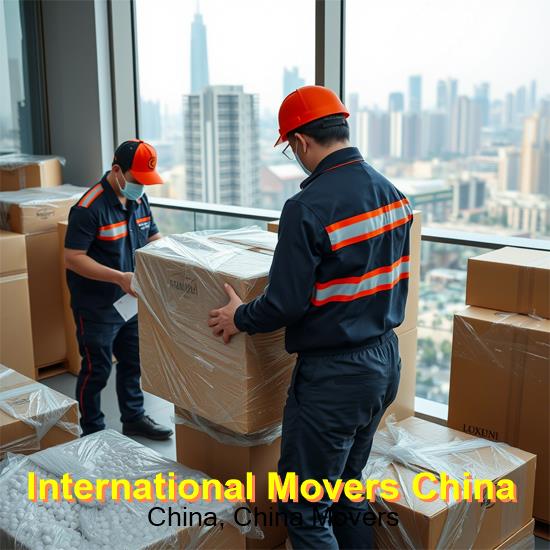
Almost every student shipment is too big. Halls of residence come furnished on both sides, the flights allow more than people think, and Chinese cities sell everything you would otherwise pay to send. The useful conversation is about what to leave behind.
One vetted mover from our network handles the packing and the shipping, and international movers see this same relocation thousands of times a year in both directions. Good movers will tell you what not to ship before they quote for shipping it.
Term dates drive everything. The Chinese academic year runs from September to July, which means the same two weeks in September and the same three in June are busy for every student moving in either direction.
This is where most of the money is saved, and it is a five minute exercise.
Halls come furnished. Bed, desk, chair, wardrobe, often bedding. Chinese university accommodation and UK halls are alike in this. Anyone shipping furniture to either is shipping something they will not use.
Bedding and kitchen equipment are cheap at both ends. Duvets, pillows, pans, plates, hangers, drying racks. Shipping a duvet is the definition of paying to send air, because it weighs nothing and fills a box.
Clothes are the main cargo, and the climate range is enormous. A student heading for Harbin needs genuine winter clothing that will not be in a Guangzhou wardrobe. A student heading for Guangzhou or Xiamen needs almost none of it. Check the city rather than the country.
Medicines and specific brands. Things you rely on and cannot easily find. Bring a supply with a prescription in original packaging rather than a year's stock.
Books. Heavy, expensive to send, and mostly available digitally. Ship the ones you genuinely cannot get.
Electronics. Laptop and phone travel with you. China runs 220 volts at 50 hertz and the UK 230 at 50, so most appliances work in either direction with a plug change rather than a transformer. Plugs differ, adapters are cheap.
What is genuinely worth shipping is what you cannot replace or specifically want: familiar things, sports or hobby equipment, an instrument, clothes that fit properly.

Student shipments are priced per box or per kilogram, which makes them the easiest international move to control. Every box you decide against comes straight off the bill.
£250 to £600
The typical first year shipment. Slow and much the cheapest.
£550 to £1,100
A full degree's worth, or a graduation shipment home.
£400 to £1,200
One to two weeks. Priced by weight, so pack dense.
Tell us your term dates and roughly how many boxes. Student shipments are simple to price once we know both.
We match you with your vetted mover, which means one team handles the whole relocation. It is free, with no obligation. Get a quote today and hold your dates.
Send your move detailsCall 07551 855 064 or +447551855064. Message us on WhatsApp.
The return shipment is almost always larger than the outbound one, because three or four years accumulate.
Book before finals, not after. June is the busiest window of the year on this route and everyone leaves it until results are out. Booking in April for a June collection costs less and gets you a slot.
Halls have handover dates. You often have to be out within days of your last exam, which leaves no room to arrange a collection at leisure. Know the date and work backwards from it.
Summer storage between years is common and worth pricing. Handling charges in and out usually exceed the storage itself, so it only makes sense across a full summer rather than a few weeks.
Transfer of Residence relief. If you are returning to the UK to live after a period of study abroad, you may qualify for relief on your used belongings. It is not automatic and it depends on your circumstances, so check the current conditions rather than assuming a student qualifies or does not. Apply before the goods arrive either way.
Cultural relics. If you have bought anything old in China, it needs the same export certificate as anyone else's antiques. Students buy from markets more than most people and a piece bought as a souvenir can still be controlled.
What not to ship home. The furniture you bought for your flat, the bike, the kettle. Sell them to next year's students. The shipping will cost more than the replacement.
Excess baggage is the underlying service. This page is about how the academic calendar changes it.
A move usually means moving money too, whether that is a deposit on a Chinese flat or funds coming back the other way. We have helped customers with currency exchange in any currency through trusted partners for many years, and our partners can help with the money side of your move. Mention it on the form and it gets included.
Experts in currency exchange
No hidden fees
5 star consumer ratings
Competitive exchange rate
Less than most people plan to. Halls come furnished on both sides, and bedding, kitchen equipment and hangers are cheap at either end. Clothes, medicines you rely on, an instrument or specific equipment are what genuinely justify the cost.
Six to eight weeks before you travel for a sea shipment. September arrivals and June departures are the two peaks, and everyone books at once. Leaving it late is how students end up paying air rates for boxes that could have gone by sea.
Mostly yes. China runs 220 volts at 50 hertz and the UK 230 at 50, so appliances generally work in either direction with a plug change rather than a transformer. Plugs differ and adapters are cheap.
Depends entirely on the city, and the range is enormous. Harbin needs genuine winter clothing that would be pointless in Guangzhou. Check the destination city rather than the country before you fill a box with coats.
Yes, and it is common between academic years. Handling charges in and out usually exceed the storage itself, so it makes sense across a full summer rather than for a few weeks. Ask for both handling figures alongside the weekly rate.
Book in April for a June collection rather than waiting for results. Halls often require you out within days of your last exam, which leaves no time to arrange a collection at leisure, and June is the busiest window on the route.
Possibly, if you are returning to live in the UK after a period abroad, but it is not automatic and depends on your circumstances. Check the current conditions rather than assuming either way, and apply before the goods arrive.
Often, if you are on the same route with similar dates. It reduces cost per person on a per box service. Speak to the mover about how the consignments are documented, because customs treats each person's effects separately.
The furniture you bought for your flat, the bike, the kettle and the desk lamp. Sell them to the next intake. Shipping them home will cost considerably more than replacing them, and they were probably cheap to begin with.
Send your collection address, your Chinese destination, a rough idea of the volume and your date. A vetted mover from our network checks the route, the paperwork and the access, then comes back to you with the price.
Send your move detailsWe match international moving enquiries with vetted moving companies in the AGM Group network, each holding FIDI FAIM certification and BAR Overseas membership.
We are not a removal firm ourselves. We find you the one that suits your route, and you deal with them directly from there.