15
Years in international removals
850k+
Verified customer enquiries
3
FIDI-accredited partners
Trusted International Moving Network
Accredited Relocation Specialists


Dutch canal houses were built with a beam projecting from the gable, because the stairs were always too narrow for furniture and everyone knew it. Four hundred years later, that is still how a sofa gets into an Amsterdam flat.
One vetted mover from our network handles the shipment. International movers working the Netherlands treat hoisting as routine, and a relocation into an old canal house is planned around the window rather than the door.
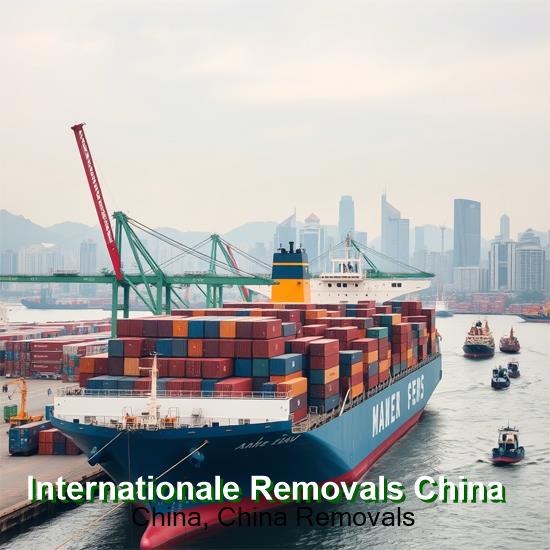
Movers here plan around the window rather than the door. Rotterdam is Europe's largest port and takes the overwhelming majority of Chinese container traffic. Clearance there is efficient and sailing frequency is excellent.
The relief. Used personal and household goods generally enter free of duty and value added tax where you are transferring your normal residence to the Netherlands from outside the European Union.
Conditions. Broadly the same shape as the other EU destinations. A qualifying period of residence outside the EU, genuine establishment of residence here, ownership and use of the goods beforehand, and restrictions on disposing of relieved goods for a period afterwards.
Documentation. An itemised valued inventory, evidence of your residence in China, proof of your Dutch address or the intention to establish one, and passport and visa documentation. Your mover confirms the exact requirements.
Rotterdam. The largest port in Europe and the natural arrival for Chinese traffic. Frequency is excellent, which makes date planning easier here than on almost any other European route. Clearance is efficient with a complete file.
Registration. Registering with your local municipality is a standard part of settling in the Netherlands and may be relevant to evidencing residence. Do it promptly.
Onward distribution. The Netherlands is small and the road network is excellent, so the domestic leg from Rotterdam is short wherever you are going. That is a genuine advantage over Germany or France.
Excluded. Alcohol and tobacco, commercial goods, and anything bought new for the move.
Freight is competitive and the domestic leg is short, which makes this one of the better value European arrivals. The variable is access, and specifically whether hoisting is needed.
£300 to £1,100
Personal effects arriving Rotterdam.
£1,200 to £3,900
The common shipment on this route.
£3,200 to £8,800
Family households, short domestic leg.
Tell us the building and the floor, and measure the window if you can. That decides a Dutch delivery more than anything else.
We match you with your vetted mover, which means one team handles the whole relocation. It is free, with no obligation. Get a quote today and hold your dates.
Send your move detailsCall 07551 855 064 or +447551855064. Message us on WhatsApp.
This is the part that surprises people arriving from China, where lifts are standard in almost everything.
The hoist beam. Look up at a canal house and you will see a beam projecting from the gable with a hook on it. It is not decorative. Dutch houses are tall and narrow because plots were taxed on frontage, so stairs were built steep and tight and furniture has always gone in through the window.
How it works in practice. Either the building's own beam and a block and tackle, or an external hoist mounted on the street. Windows are often designed to open fully or to be removed for the purpose.
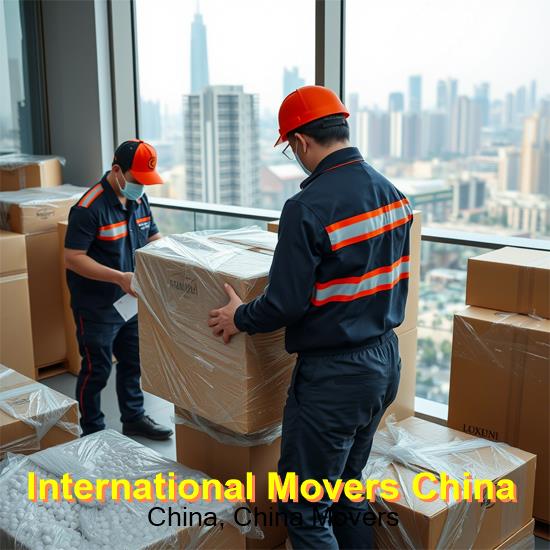
What it means for you. Measure the window opening, not just the stairwell. Large items that would fit a room may not fit through the aperture, and a sofa that cannot be hoisted cannot get in at all.
Canal side positioning. Streets alongside canals are narrow, sometimes one way, and parking is tightly controlled. Positioning a vehicle and a hoist may need a permit and it may need scheduling outside busy hours.
Bicycles. Every Dutch street is full of them, and clearing space for a hoist frequently means notice to neighbours and the local authority.
On what to ship. Given all of this, the honest advice is to ship less if you are moving into older housing. Dutch homes in the historic centres are smaller than they look and getting anything large in is genuinely a project.
Germany and France use external lifts for the same reason, though the Dutch hoist beam is unique to this housing stock.
A move usually means moving money too, whether that is a deposit on a Chinese flat or funds coming back the other way. We have helped customers with currency exchange in any currency through trusted partners for many years, and our partners can help with the money side of your move. Mention it on the form and it gets included.
Experts in currency exchange
No hidden fees
5 star consumer ratings
Competitive exchange rate
Because plots were historically taxed on frontage, so houses were built tall and narrow with steep tight stairs. Furniture has always gone in through the window, and the beam projecting from the gable with a hook on it is working equipment rather than decoration.
In older housing, almost certainly. Canal houses and historic centre flats have stairwells that will not take furniture. Newer apartment blocks with service lifts are straightforward, so the answer depends entirely on which you are moving into.
The window aperture as well as the stairwell. Large items that would fit the room may not fit through the opening, and something that cannot be hoisted cannot get in at all. Measure before you decide what to ship.
Rotterdam, the largest port in Europe and the natural arrival for Chinese traffic. Frequency is excellent, which makes date planning easier here than on most European routes, and clearance is efficient with a complete file.
No, and it is a genuine advantage of this route. The Netherlands is small with an excellent road network, so the leg from Rotterdam is short wherever you are heading. That is not true of Germany or France.
Generally not on a transfer of residence from outside the EU. Used household goods normally enter free of duty and value added tax, subject to a qualifying period outside the EU and having owned and used the items beforehand.
Usually, to occupy the street or the canal side. Streets alongside canals are narrow, sometimes one way, and parking is tightly controlled. Your mover applies for it, and it needs lead time.
If you are moving into older housing, yes. Homes in the historic centres are smaller than they look and getting anything large in is genuinely a project. Shipping less is cheaper and considerably less stressful on delivery day.
Yes. Anything made before 1949 needs a cultural relics export certificate to leave China regardless of destination, and appraisal at an authorised station takes weeks rather than days.
Send your collection address, your Chinese destination, a rough idea of the volume and your date. A vetted mover from our network checks the route, the paperwork and the access, then comes back to you with the price.
Send your move detailsWe match international moving enquiries with vetted moving companies in the AGM Group network, each holding FIDI FAIM certification and BAR Overseas membership.
We are not a removal firm ourselves. We find you the one that suits your route, and you deal with them directly from there.