15
Years in international removals
850k+
Verified customer enquiries
3
FIDI-accredited partners
Trusted International Moving Network
Accredited Relocation Specialists


Japan is a short sail from China and a long way from it administratively. Two things decide how this move goes: what medicines are in your bathroom cabinet, and how narrow the street outside your new home is.
One vetted mover from our network handles the shipment. International movers working Japan raise the medicine question before the packing question, because it is the one that causes genuine trouble rather than inconvenience.
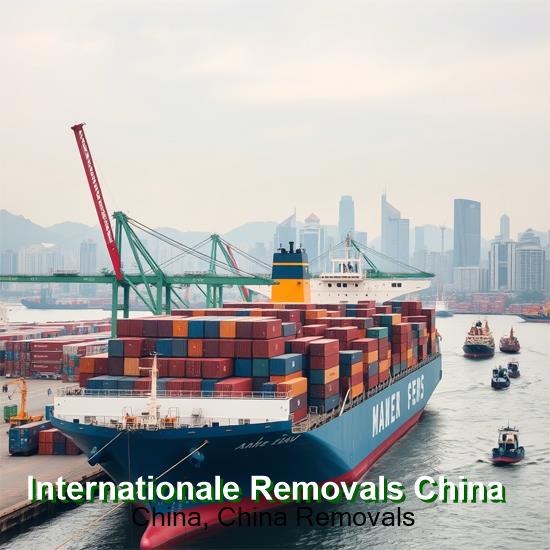
Movers on this route check the bathroom cabinet before the furniture. Yokohama, Tokyo, Kobe and Osaka take the traffic, and the sailing from Chinese ports is a matter of days. Door to door two to four weeks is normal.
Medicines are the serious one. Japan prohibits certain substances that are freely available elsewhere, including some common cold and allergy remedies and some inhalers. Others are permitted but require an import certificate obtained in advance if you are bringing more than a small quantity.
Why this matters more than a customs charge. These are controlled substances rules rather than duty rules. Getting it wrong is not a fee, and this is the one destination on this list where that distinction genuinely applies. Check every prescription and every packet in the bathroom cabinet against current guidance before anything is packed, and apply for a certificate where one is needed.
The unaccompanied baggage declaration. When you enter Japan you declare that goods are following. That declaration is what allows your shipment to clear as personal effects rather than as a general import. Missing it complicates clearance considerably.
Used personal effects generally enter without duty when you are relocating, subject to having owned and used them.
Other restrictions. Certain knives, weapons and replicas. Some publications and media. Products containing endangered species materials, which matters if you bought ivory or exotic hardwood in China.
Alcohol and tobacco sit outside the personal effects treatment and are dutiable.
The good news. Clearance at Japanese ports is efficient, orderly and predictable once the paperwork is right. Very few surprises at this end.
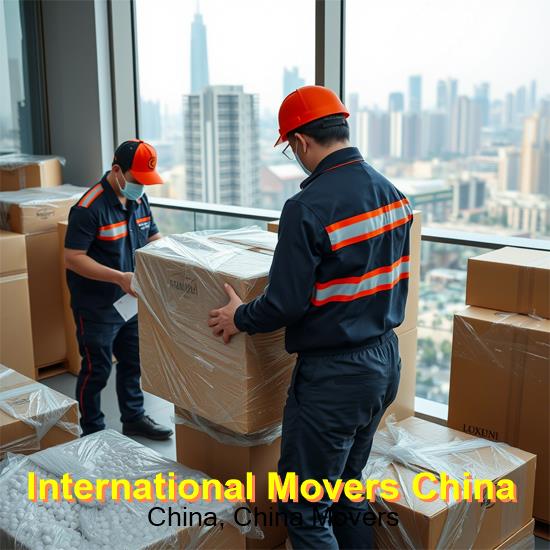
The sea leg is short and the corridor is busy, so freight is inexpensive relative to the European routes. The cost sits in the delivery, where Japanese access constraints add crew hours.
£250 to £900
Short sailing, frequent services.
£900 to £3,000
The common shipment on this route.
£2,600 to £7,200
Family households, though many find it excessive.
Tell us your Japanese city and send us the medicines list. That second one is worth doing before anything else.
We match you with your vetted mover, which means one team handles the whole relocation. It is free, with no obligation. Get a quote today and hold your dates.
Send your move detailsCall 07551 855 064 or +447551855064. Message us on WhatsApp.
Residential streets are narrow. Japanese cities have a great many residential lanes that a full size lorry simply cannot enter. Transhipment into a smaller vehicle is routine and should be in the quote rather than a surprise.
Entrances are tight. Doorways, entrance halls and stair turns are smaller than European equivalents. A three seat sofa that fits a room may not clear the entrance to reach it.
Apartments above the second floor in older buildings frequently have no lift, and stairs are steep with tight landings.
Measure before you ship. This is more important in Japan than almost anywhere. Room sizes, doorway widths and stair turns all run smaller. Furniture that suited a Chinese apartment may still not fit.
Built in storage is common, which means wardrobes are often unnecessary and take up space you would rather have.
Bed sizes differ. Japanese mattress sizes do not match European ones, and replacing bedding for a European bed in Japan is awkward.
Delivery scheduling is precise and punctual by convention. Buildings and management companies expect a stated time and expect it kept.
Earthquake sense. Tall furniture is generally secured to walls in Japan. If you are shipping bookcases or tall units, expect to fix them and factor in the fittings.
Regional Asian routes are short and frequent, which changes the planning entirely compared with Europe.
A move usually means moving money too, whether that is a deposit on a Chinese flat or funds coming back the other way. We have helped customers with currency exchange in any currency through trusted partners for many years, and our partners can help with the money side of your move. Mention it on the form and it gets included.
Experts in currency exchange
No hidden fees
5 star consumer ratings
Competitive exchange rate
Because Japan prohibits certain substances that are freely available in Britain and China, including some common cold and allergy remedies and some inhalers. These are controlled substances rules rather than duty rules, so getting it wrong is not simply a fee.
Possibly. Some permitted medicines require an import certificate obtained in advance if you are bringing more than a small quantity. Check every prescription and packet against current guidance and apply early, because it cannot be sorted on arrival.
Two to four weeks door to door, which is among the shortest routes out of China. The sailing itself is a matter of days, and Yokohama, Tokyo, Kobe and Osaka all handle Chinese traffic frequently.
A declaration made when you enter Japan stating that goods are following. It allows your shipment to clear as personal effects rather than a general import. Missing it complicates clearance considerably, so understand it before you fly.
Often not. Japanese rooms, doorways and stair turns all run smaller than European equivalents. A sofa that fits the room may not clear the entrance to reach it. Measure doorways and stairs, not just floor space, before deciding what to ship.
Frequently not. Japanese cities have many residential lanes a full size vehicle cannot enter. Transhipment into a smaller lorry is routine on this route and should appear in the quote rather than on the day.
Usually not. Built in storage is common in Japanese homes, so a wardrobe often occupies space you would rather have. The same applies to large beds, since Japanese mattress sizes do not match European ones.
Generally not on used personal effects when you are relocating, subject to having owned and used them. Alcohol and tobacco sit outside that treatment and are dutiable, as they are almost everywhere.
Yes. Tall furniture is generally fixed to walls in Japan as a matter of course. If you are shipping bookcases or tall units, expect to fix them on arrival and budget for the fittings.
Send your collection address, your Chinese destination, a rough idea of the volume and your date. A vetted mover from our network checks the route, the paperwork and the access, then comes back to you with the price.
Send your move detailsWe match international moving enquiries with vetted moving companies in the AGM Group network, each holding FIDI FAIM certification and BAR Overseas membership.
We are not a removal firm ourselves. We find you the one that suits your route, and you deal with them directly from there.